How the Chinese Government Scholarship (CSC) Is Awarded and How to Strengthen Your Application
CSC Type A and Type B routes, age limits, deadlines, selection criteria and practical tips for a stronger application. For the 2027/2028 intake.
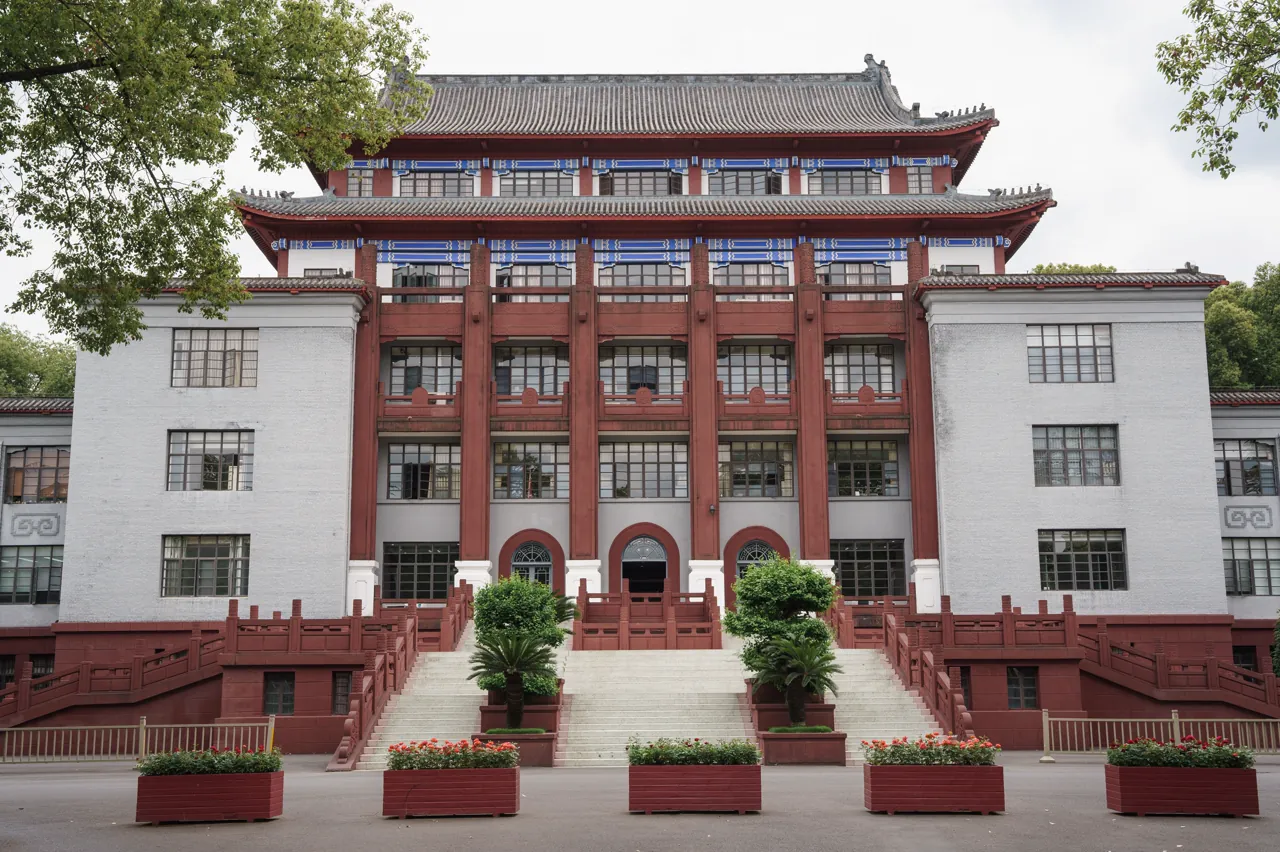
The Chinese Government Scholarship (CSC) is one of the most complete scholarships for studying in China. This article explains the Type A and Type B routes, who can apply, the deadlines, what reviewers look at and how to make your application stronger.
The CSC scholarship covers tuition, accommodation and medical insurance, and pays a monthly stipend (coverage and stipend amounts: Study costs and scholarships in China). But it is not automatic: it is awarded competitively, and every application is assessed on its own merits. Here is how selection works and how to improve your chances.
1. The two main routes to a CSC scholarship
| Type A (bilateral program) | Type B (university program) | |
|---|---|---|
| Where to apply | Through the Chinese embassy in your country or the designated authority | Directly to a Chinese university |
| Levels | Bachelor's, master's, PhD, visiting study | Mostly master's and PhD |
| Who selects | The embassy recommends first, then the university and CSC | The university first, then CSC confirms |
| Agency number | The embassy's number | The university's number |
In both cases the application itself is completed on the Campus China portal. The difference is which agency number you enter and who reviews your file first.
Important: many universities state that you may submit only one Type B application per academic year. Check your chosen university's rules in advance.
2. Who can apply?
According to embassy notices for 2026/2027, the age limits at the time of application are:
| Level | Required education | Age limit |
|---|---|---|
| Bachelor's | High school | Under 25 |
| Master's | Bachelor's degree | Under 35 |
| PhD | Master's degree | Under 40 |
Language requirements depend on the language of the program: usually HSK 4 for Chinese-taught programs, and the IELTS, TOEFL or Duolingo score set by the university for English-taught programs. Bachelor's applicants now also need a CSCA score: CSCA 2026–2027 exam dates
3. When to apply and when results come out
Exact dates are announced every year, separately by each embassy and university. Using the 2026/2027 academic year as an example:
| Stage | Typical timing (2026/2027 example) |
|---|---|
| Applications open | October–December |
| Type A: embassy deadline | Early February (for example, 8 February) |
| Type B: university deadlines | February–March (for example, 20 February or 5 March) |
| Results | July–August |
The 2027/2028 cycle is expected to follow a similar pattern, but always check the official notice. Why applying early matters: Why apply to Chinese universities early?
4. What do reviewers look at?
CSC does not publish an official scoring system, but the required documents show clearly what is assessed:
- Academic record: your diploma and grades (transcript).
- Study or research plan: at least 800 words for master's and PhD (many universities ask for 1,000+), at least 200 words for bachelor's.
- Two recommendation letters: for master's and PhD, from a professor or associate professor, in English or Chinese.
- A pre-admission letter from the university or a supervisor: a major advantage, especially for Type B and PhD.
- Language certificate, and a CSCA score for bachelor's.
- Physical examination form (valid for 6 months) and a non-criminal record certificate.
Some universities also hold an interview or entrance test in addition to the document review.
5. How to strengthen your application
- Start early. Scholarship places are limited, and late applications may find none left.
- Write a specific study plan. Not general statements: what you want to study, why this university, and how you will use what you learn.
- Ask for recommendations from teachers who know you well. The letters should include concrete examples.
- For master's and PhD, contact a supervisor in advance. Their early agreement significantly strengthens your application.
- Keep your documents consistent. Names, dates and grades must match across every document.
- Time your medical exam carefully. It is valid for 6 months and can expire if done too early.
- Have several options. Apply for provincial and university scholarships alongside CSC.
Common mistakes
- Sending the same study plan to every university.
- Leaving translation and notarization to the last week.
- Relying on the CSC scholarship alone.
- Missing a university's extra requirements (for example, a separate online portal).
Will you be our next student?
One Stop Education has helped more than 500 students start their studies in China.
What we do:
- Choose the right scholarship type and universities for you.
- Help you finalize your study plan and motivation letter.
- Prepare recommendation letters and document translations.
- Apply to at least 5 universities and their scholarships at the same time.
- Prepare you for interviews and exams.
See the full document list: Documents
Book a free consultation: we'll review your profile and tell you which scholarships you have a realistic chance of winning. Get a consultation or call +998 90 119 94 49, +998 90 109 94 49: Book a consultation
Contact us:
- +998 90 119 94 49
- +998 90 109 94 49
- Telegram: https://t.me/one_stop_education
About the sources: Deadlines and requirements are based on official 2026/2027 notices from Chinese embassies and universities. Dates can change each year, so always check the notice for the new academic year: Campus China.